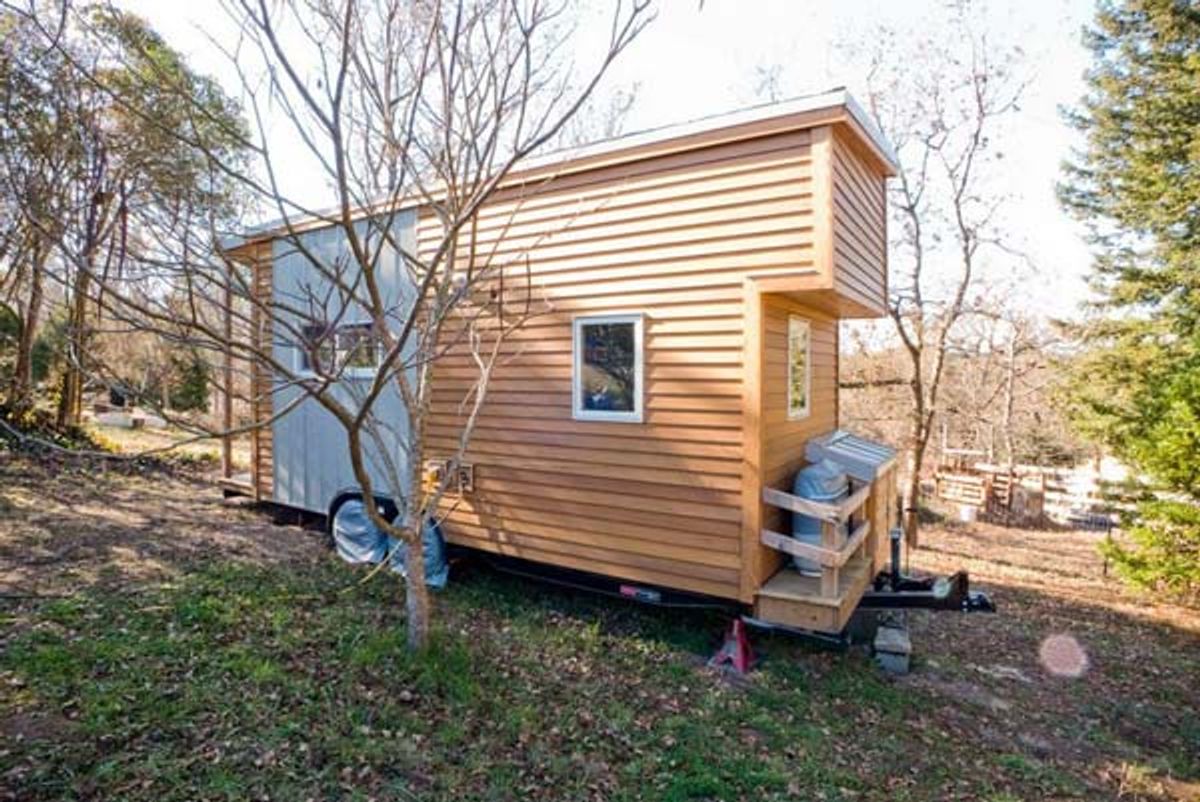
Tiny houses are the epitome of compact and efficient living, but making them comfortable throughout the year can be a challenge. This article explores practical tips and innovative solutions to ensure that your tiny house remains a cozy haven, regardless of the season. From optimizing energy efficiency to adapting to seasonal extremes, and from maximizing space to embracing local culture, we'll guide you through making your tiny abode habitable all year round.
Key Takeaways
- Effective insulation and smart thermostats are crucial for maintaining a comfortable temperature year-round in a tiny house.
- Solar power and other renewable energy solutions not only reduce carbon footprint but also ensure energy independence.
- Adapting to seasonal extremes involves not just temperature control but also managing humidity and air quality effectively.
- Space-saving strategies and multifunctional furniture are essential to maximize the limited space without compromising on comfort or style.
- Incorporating local weather considerations and cultural elements into the design can enhance the living experience and sustainability of a tiny house.
Optimizing Energy Efficiency for Year-Round Comfort
Innovative Insulation Techniques
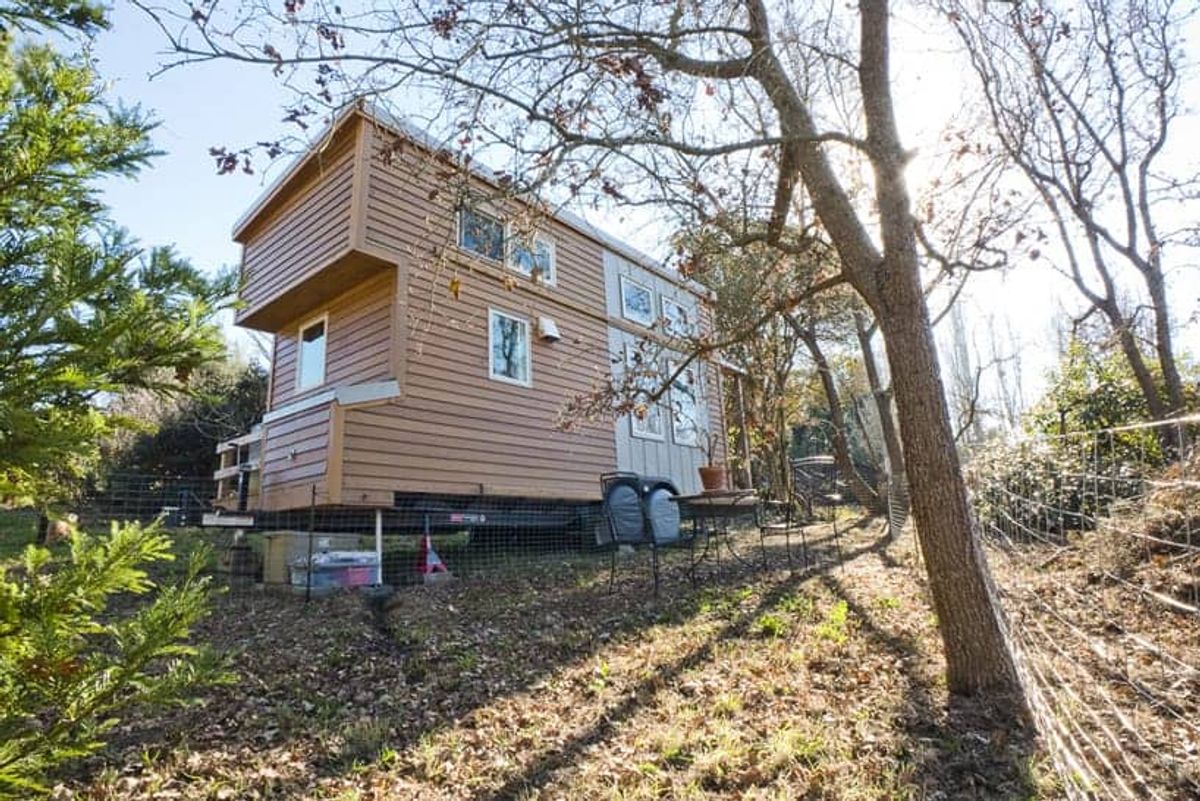
Innovative insulation is pivotal for maintaining a comfortable living environment in a tiny house throughout the year. Opting for multi-layered insulation materials can significantly enhance the thermal efficiency of your tiny home, reducing the need for excessive heating or cooling. These materials work by creating a barrier that minimizes heat transfer, keeping the interior temperature stable regardless of external conditions.
When considering insulation options, it's important to look at the R-value, which measures the material's resistance to heat flow. Higher R-values indicate better insulating properties. Here's a quick comparison of common insulation materials:
| Material | R-Value per Inch |
|---|---|
| Fiberglass | 2.2 - 2.7 |
| Cellulose | 3.1 - 3.8 |
| Spray Foam | 6.0 - 7.0 |
| Rigid Foam | 4.0 - 6.5 |
By strategically layering different types of insulation, you can achieve optimal thermal retention without compromising on space. This approach not only contributes to a more sustainable living environment but also leads to long-term cost savings.
Remember, the key to eco-friendly tiny house materials is not just about choosing sustainable options, but also about ensuring they are effectively utilized. Innovative insulation techniques, when executed correctly, can make a significant difference in the comfort and eco-friendliness of your tiny home.
Smart Thermostats and Climate Control
In the quest for a comfortable tiny house that remains habitable throughout the year, smart thermostats play a pivotal role. These devices allow for precise temperature control and can adapt to your daily routines, ensuring energy is used efficiently. By learning your schedule and preferences, smart thermostats can reduce heating and cooling when you're away, and prepare your home for your return, thus optimizing energy consumption.
Smart thermostats contribute to a significant reduction in energy usage by automating climate control based on occupancy and personal preferences.
The integration of smart thermostats with other smart home technology has been thoroughly assessed for energy efficiency. When combined with clean and well-maintained HVAC systems, the results are even more impressive. Regular maintenance, such as cleaning air ducts and replacing filters, ensures that your climate control system operates at peak efficiency. Here's a simple checklist for maintaining your HVAC system:
- Check and clean air ducts regularly
- Replace HVAC filters every 3-6 months
- Schedule professional HVAC inspections annually
- Monitor energy consumption through smart device apps
By adhering to these steps, you not only enhance the performance of your HVAC system but also contribute to a healthier indoor atmosphere, free from potential toxins and pollutants.
Solar Power Solutions
Harnessing the power of the sun is a game-changer for tiny house living, especially when striving for self-sufficiency. Solar panels can significantly reduce reliance on traditional power grids, making them an ideal choice for those seeking an adventurous life in a tiny house or a mobile home system.
- Installation: Begin with assessing your roof's suitability for solar panels or consider portable solar solutions.
- Capacity: Calculate your energy needs to determine the panel capacity required.
- Storage: Invest in a reliable battery system to store excess energy for use during non-sunny hours.
Embracing solar power not only contributes to a greener planet but also ensures a consistent energy supply for your tiny house, regardless of its location.
The potential for solar energy is immense, with advancements suggesting that floating solar panels near the equator could power future population hotspots. As solar technology continues to evolve, it becomes an increasingly viable option for tiny house owners around the world.
Adapting to Seasonal Extremes

Cooling Strategies Without Breaking the Bank
As temperatures rise, keeping your tiny house cool without resorting to expensive air conditioning is a challenge many face. Utilizing passive cooling techniques such as strategic shading and maximizing natural ventilation can significantly reduce indoor temperatures. For instance, planting deciduous trees near windows can provide shade in the summer while allowing sunlight to warm the house in winter.
When passive methods are not enough, choosing the right cooling system becomes essential. Portable or window-mounted air conditioners are often more affordable and can be effective in small spaces. However, it's important to select a unit with the appropriate BTU rating for your space to ensure efficiency.
- Seal and insulate to prevent warm air from entering
- Use reflective window films to deflect sunlight
- Install ceiling fans for better air circulation
- Consider a dehumidifier to make the air feel cooler
By implementing a combination of these strategies, you can create a comfortable living environment in your tiny house during the hot months, without the need for costly investments.
Winterizing Your Tiny House
As the mercury dips, preventing freezing water lines becomes a top priority for tiny house dwellers. Tiny homes are especially susceptible to freezing water lines, making it essential to take proactive steps to ensure your water supply remains uninterrupted. One effective method is the installation of heat tape along pipes, which provides consistent warmth and prevents ice blockages.
To winterize your tiny house effectively, focus on areas where cold air infiltrates and heat escapes. Sealing gaps around windows and doors, and adding extra insulation to walls and floors can make a significant difference in maintaining a cozy interior.
Here are some practical steps to winterize your tiny house:
- Insulate pipes and apply heat tape to prevent freezing.
- Seal drafts around windows and doors with weather stripping.
- Install storm windows or thermal curtains to retain heat.
- Use a programmable thermostat to keep temperatures consistent.
- Consider skirting around the base of your tiny house to block cold winds.
Remember, the goal is to create a barrier against the cold while ensuring your tiny house remains a warm and inviting space throughout the winter months.
Managing Humidity and Air Quality
Maintaining a comfortable and healthy atmosphere in a tiny house requires attention to both humidity levels and air quality. High humidity can lead to mold growth and a host of other issues, so it's essential to keep it in check. Dehumidifiers and proper ventilation are key in managing moisture in the air.
To improve indoor air quality, consider the following steps:
- Regularly clean and maintain air ducts to enhance air quality and system efficiency.
- Use air purifiers with HEPA filters to capture airborne particles.
- Introduce houseplants that naturally purify the air, such as spider plants and peace lilies.
- Ensure that your HVAC system is optimized for performance, which includes cleaning obstructions that can hinder airflow.
By focusing on these areas, you can create a living space that is not only comfortable but also conducive to good health. Remember, a fresh air ventilation system is crucial in a tiny home to prevent the deterioration of indoor air quality to dangerous levels.
Regular cleaning of air ducts is also important to prevent the circulation of mold spores and dust, which can pose health risks and affect the comfort of your living space. It's not just about health; it's also about creating an environment that is pleasant to live in.
Maximizing Space and Light
Clever Storage Solutions
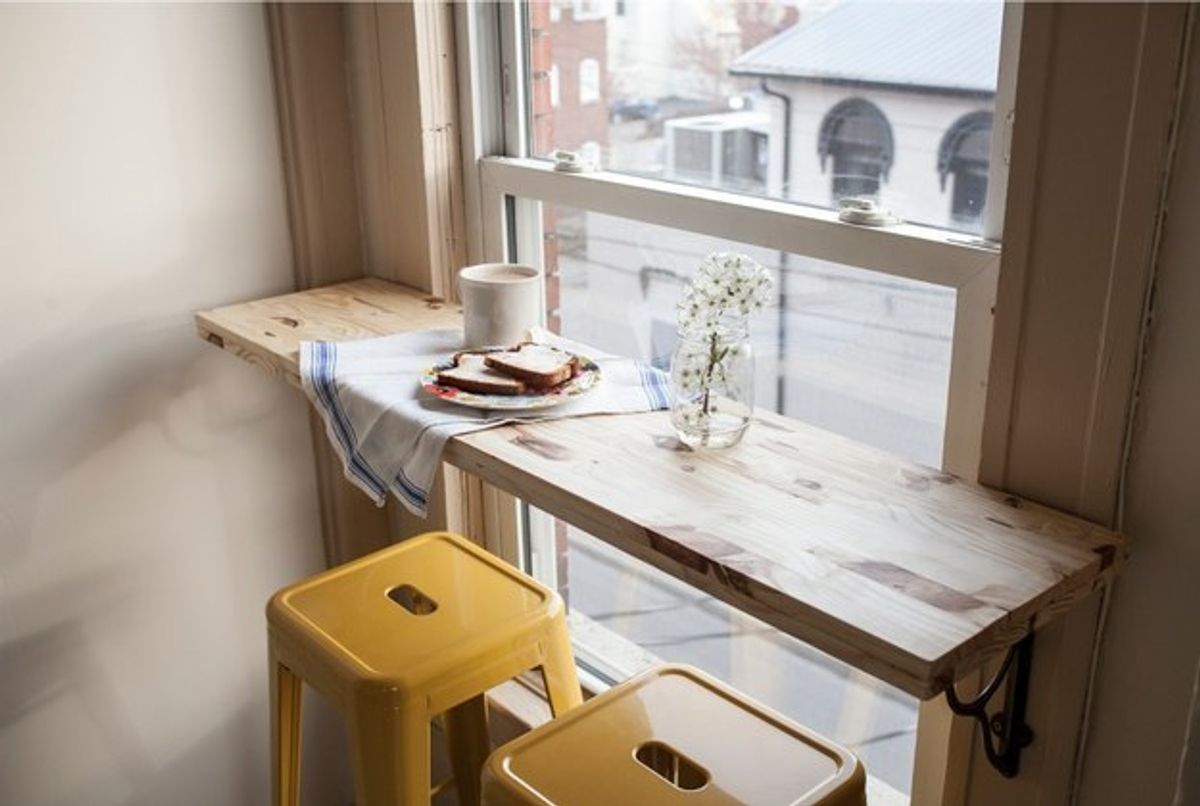
In the compact realm of tiny houses, every inch counts. Maximizing storage space is crucial for maintaining an organized and clutter-free environment. Here are some innovative ways to create extra room:
- Utilize vertical space with high shelves and stackable storage units.
- Install sliding drawers in kick spaces beneath cabinets and stairs.
- Opt for furniture with built-in storage, such as beds with drawers or ottomans with compartments.
By thinking creatively and using every nook and cranny, you can significantly increase your storage capabilities without compromising on living space.
Remember, the key to effective storage is not just about adding more places to put things, but also about reducing and organizing what you have. Regularly decluttering and reassessing your possessions can help maintain a spacious and comfortable tiny house all year round.
Enhancing Natural Light
Maximizing natural light in a tiny house not only creates the illusion of more space but also promotes personal well-being. Strategic placement of windows and skylights can significantly increase the amount of sunlight entering your home, reducing the need for artificial lighting during the day.
- Use reflective surfaces to bounce light deeper into your home.
- Choose light-colored walls and decor to enhance the brightness.
- Install larger windows or consider a sun tube for dark corners.
By enhancing natural light, you not only save on energy costs but also benefit from the psychological impact of a brighter living space. This investment in your mental and emotional health creates an environment that fosters comfort and renewal.
Remember, the goal is to achieve a balance between warmth and illumination without compromising privacy or thermal efficiency. Consider using frosted or tinted glass where necessary to maintain this balance.
Multifunctional Furniture for Tiny Living
In the quest to make a tiny house both comfortable and functional, multifunctional furniture is a game-changer. These pieces serve dual purposes, such as a sofa that transforms into a bed or a table that expands to accommodate guests. By choosing furniture that can adapt to different needs, you can save valuable space without sacrificing comfort or style.
- Stackable chairs and nesting coffee tables are perfect for those who enjoy entertaining.
- Cabinet organizers can turn cluttered spaces into models of efficiency.
- A pullout sofa bed can double as a seating area and a guest bed, fitting neatly into small spaces.
Embracing multifunctional furniture not only maximizes space but also enhances the flexibility of your tiny house, allowing it to evolve with your lifestyle.
Remember, the key to tiny house living is not just to downsize your possessions but to make smart choices about the furniture and storage solutions you incorporate. With a little creativity and the right pieces, your tiny house can be a comfortable, inviting space all year round.
Creating a Healthy and Sustainable Living Environment
Choosing Eco-Friendly Materials
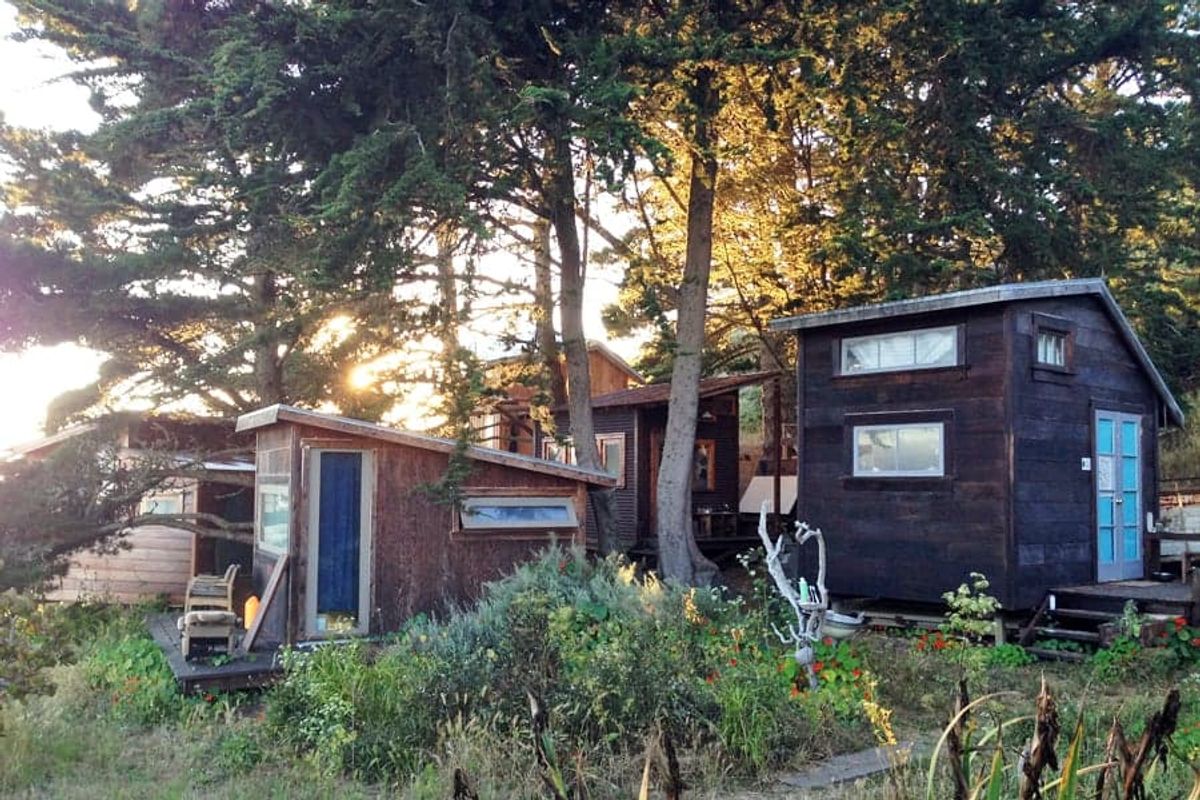
In the quest for a sustainable tiny house, choosing eco-friendly materials is paramount. These materials are not only better for the environment but also for the health of the inhabitants. Opting for natural, renewable, and non-toxic options can significantly reduce your ecological footprint.
- Natural Materials: Wood, bamboo, and cork are renewable and add warmth and character.
- Recycled Materials: Reclaimed wood, recycled metal, and glass can be stylish and sustainable.
- Low-VOC Products: Paints, sealants, and adhesives with low volatile organic compounds improve indoor air quality.
Embracing eco-friendly materials is not just a trend; it's a commitment to living responsibly and harmoniously with our planet. It's about making choices that ensure the longevity and health of both our homes and the environment.
When selecting materials, consider their lifecycle and the energy consumed in their production. For instance, locally sourced materials often have a lower carbon footprint due to reduced transportation. Additionally, durability is key; investing in high-quality, long-lasting materials can prevent frequent replacements and waste.
Indoor Plants and Air Purification
Incorporating indoor plants into your tiny house not only adds a touch of greenery but also plays a significant role in air purification. Certain plants are known for their ability to filter out common airborne toxins and improve overall air quality. For instance, the Peace Lily and Aloe Vera are both aesthetically pleasing and effective at cleansing the air.
While no plant can completely purify indoor air, a selection of the right types can contribute to a healthier living space.
Here's a list of some of the best air-purifying plants to consider for your tiny home:
- Peace Lily
- Aloe Vera
- Dracaena
- Spider Plant
- Boston Fern
- Chrysanthemums
Each of these plants has unique properties that help in reducing pollutants like benzene, formaldehyde, and trichloroethylene. Regular maintenance of these plants, including watering and occasional pruning, ensures they remain healthy and effective at improving air quality.
Water Conservation Techniques
In the realm of tiny house living, water conservation is not just a choice, but a necessity. Employing innovative water-saving strategies can significantly reduce your ecological footprint and lower utility bills. Here are some effective techniques:
- Greywater systems: Reuse greywater from sinks and showers for garden irrigation or toilet flushing. Remember to use biodegradable soaps to prevent harm to plants.
- Low-flow fixtures: Install low-flow toilets, showerheads, and faucets to minimize water use without sacrificing performance.
- Rainwater harvesting: Collect and store rainwater for non-potable uses such as watering plants or cleaning.
By integrating these water conservation methods into your tiny home, you not only contribute to environmental sustainability but also embrace a lifestyle that values resourcefulness and efficiency.
It's essential to consider the impact of every drop of water in a tiny home. With the right techniques and a commitment to sustainability, water conservation can become an effortless part of daily life, ensuring that your tiny house remains habitable and comfortable throughout the year.
Embracing Local Climate and Culture

Designing with Local Weather in Mind
When designing a tiny house, it's crucial to consider the local climate to ensure year-round habitability. In areas with hot summers like Austin, proper ventilation and shading are key to maintaining a comfortable indoor temperature without over-reliance on air conditioning. Conversely, in regions with harsh winters, double-glazing and thermal mass materials can help retain heat.
By tailoring your tiny house to the local weather patterns, you can enhance comfort and reduce energy consumption.
Understanding the frequency and intensity of local weather events is also essential. For example, in places experiencing increased storm activity, reinforcing structural elements and waterproofing become priorities. Here's a quick checklist for weather-proofing your tiny house:
- Assess the local climate and common weather events
- Choose materials and design features appropriate for the climate
- Implement weather-resistant measures for extreme conditions
- Regularly maintain and inspect your tiny house to prevent weather-related damage
Incorporating Cultural Elements into Decor
Incorporating cultural elements into your tiny house decor is not just about aesthetics; it's about creating a living space that resonates with the local heritage and your personal history. Don't limit cultural infusion to visual elements alone; consider engaging multiple senses. Integrate local textures into your decor
- Handmade rugs
- Artisanal crafts
- Traditional fabrics
These elements can transform a house into a home with a story, a place where every item has significance and reflects the cultural mosaic of the community.
Embracing local culture in your decor is a respectful nod to the history and people of the area. It enriches your living experience and connects you to the local narrative.
When selecting cultural items, it's important to do so thoughtfully and respectfully, ensuring that they are sourced ethically and that their inclusion in your home is sensitive to their cultural origins.
Community Resources for Sustainable Living
Leveraging local community resources is a pivotal step in creating a sustainable tiny house lifestyle. Self-sustaining communities are not just a trend; they are a practical approach to living that can have a profound impact on the local environment and society at large. By tapping into the wealth of knowledge and services offered by local organizations, tiny house residents can significantly enhance their sustainability efforts.
Here is a list of community resources that can be instrumental in promoting sustainable living:
- NH/Leon Sister City
- CitySeed
- EcoWorks
- Urban Resources Initiative
- Solar Youth
Each of these organizations offers unique contributions to sustainability, from promoting urban agriculture to providing educational programs on environmental stewardship. Engaging with these groups can lead to collaborative projects and initiatives that benefit the entire community.
Embracing community resources is not only about accessing services but also about fostering a sense of belonging and mutual support within the local area. It's about building a network that thrives on shared values and collective action towards a more sustainable future.
Conclusion
In conclusion, transforming a tiny house into a comfortable abode throughout the year requires a blend of creativity, sustainability, and practicality. By integrating the insights and strategies discussed, homeowners can create a living space that not only withstands the diverse challenges of the seasons but also promotes personal well-being. From ensuring proper insulation to adopting energy-efficient practices, the journey to a habitable tiny house is an investment in both the environment and one's quality of life. As we have seen, the rewards of such an endeavor extend beyond mere comfort, offering a sense of accomplishment and a testament to the resilience of thoughtful, eco-conscious living.
Frequently Asked Questions
What are the best insulation techniques for a tiny house?
Innovative insulation techniques for a tiny house include using high-performance spray foam, rigid foam boards, and reflective insulation materials. These solutions provide excellent thermal resistance and can be adapted to the limited spaces within a tiny house.
How can I control the climate in my tiny house efficiently?
Smart thermostats and climate control systems allow for efficient temperature regulation. These devices can learn your habits and adjust the climate accordingly, ensuring comfort while reducing energy consumption.
Is solar power a viable option for tiny houses?
Yes, solar power is an excellent solution for tiny houses. With advancements in solar technology, you can install solar panels or solar shingles to generate clean energy, reducing reliance on the grid and minimizing utility bills.
How can I keep my tiny house cool during extreme summer heat without spending a lot?
Keeping your tiny house cool can be done by using natural ventilation, shading windows with awnings or reflective films, and using energy-efficient fans. Planting trees or shrubs near your house can also provide natural cooling.
What are some space-saving furniture ideas for tiny living?
Multifunctional furniture such as sofa beds, fold-down desks, and expandable dining tables can maximize space in a tiny house. Look for items that serve multiple purposes or can be easily stored away when not in use.
How can I conserve water in a tiny house?
Water conservation techniques include installing low-flow faucets and showerheads, using a rainwater collection system, and choosing appliances that are designed for water efficiency. These measures can significantly reduce water usage and lower utility bills.
Meta Description
Discover how to make your tiny house comfortable year-round with energy-saving tips, seasonal strategies, and smart design.
Comments
Post a Comment